
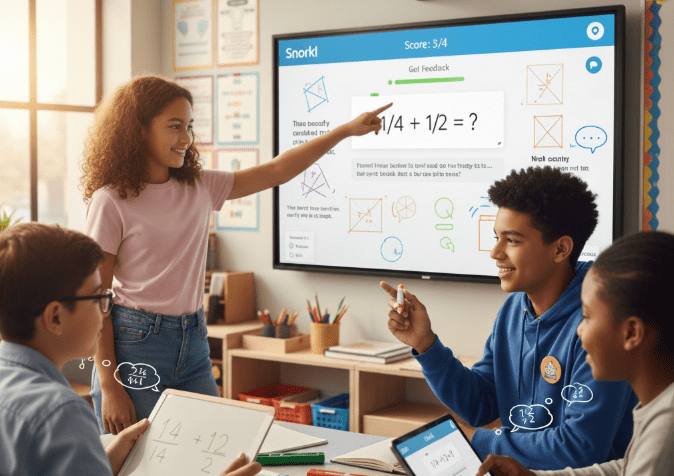
- UDL in Math: Used Snorkl to teach fraction addition, aligning with UDL by offering multiple ways to show thinking (typing, drawing, speaking).
- High-Impact Feedback: Immediate, personalized feedback helped students improve, a high-yield strategy supported by researchers like Hattie.
- Peer Coaching Model: Students who achieved mastery (4/4) became peer coaches, reinforcing learning and promoting a supportive classroom environment.
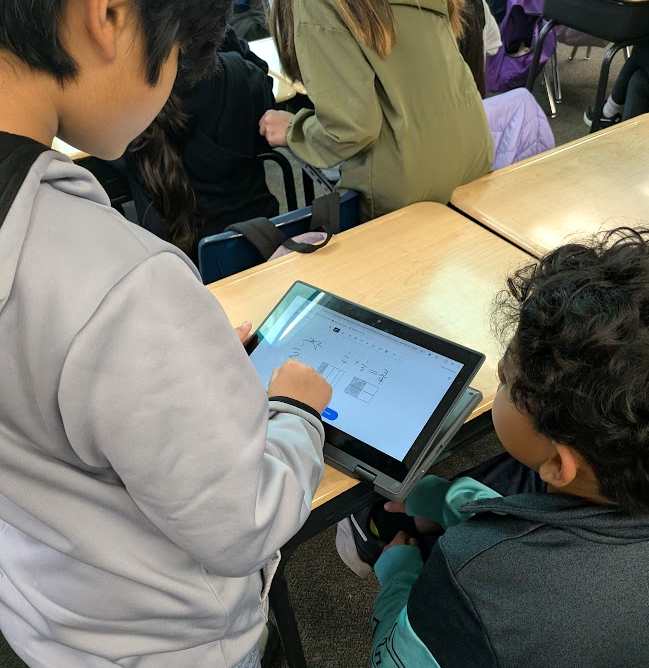
Educators constantly seek practical, powerful ways to reach every learner. I recently co-taught math lesson that focused on adding fractions with unlike denominators. This lesson provides a model for achieving this through thoughtful tech integration. By leveraging a tool called Snorkl, a 5th-grade classroom moved beyond simple right or wrong answers, turning a standard math problem into a deep, personalized learning experience.
Universal Design for Learning in Action
The power of this approach lies in its alignment with Universal Design for Learning (UDL) principles. Students were not only asked to solve the equation but were tasked with explaining meticulously their process, strategy, and reasoning. This focus on how they arrived at the answer promotes deeper conceptual understanding.
Crucially, Snorkl’s functions provided multiple means of representation and expression. Students had the option to demonstrate their understanding by:
- Speaking their explanation.
- Drawing visual models or diagrams.
- Typing out their reasoning.
- Working out initial thoughts on a personal whiteboard before submitting.
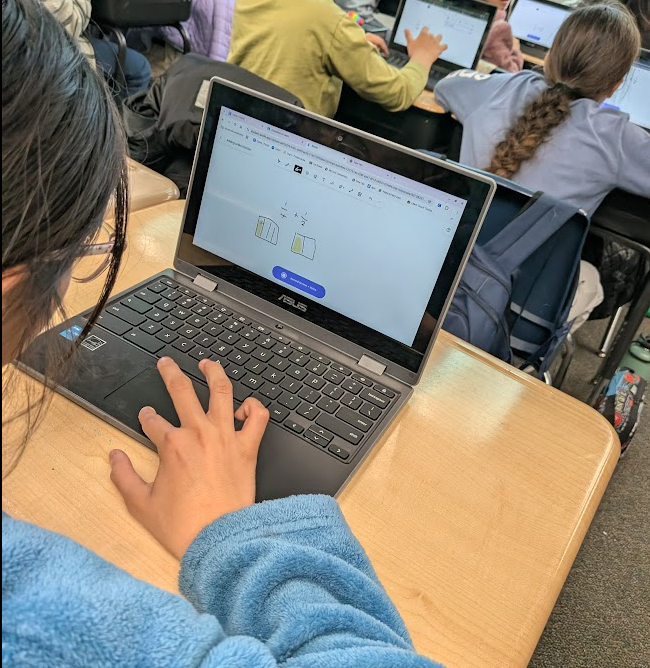
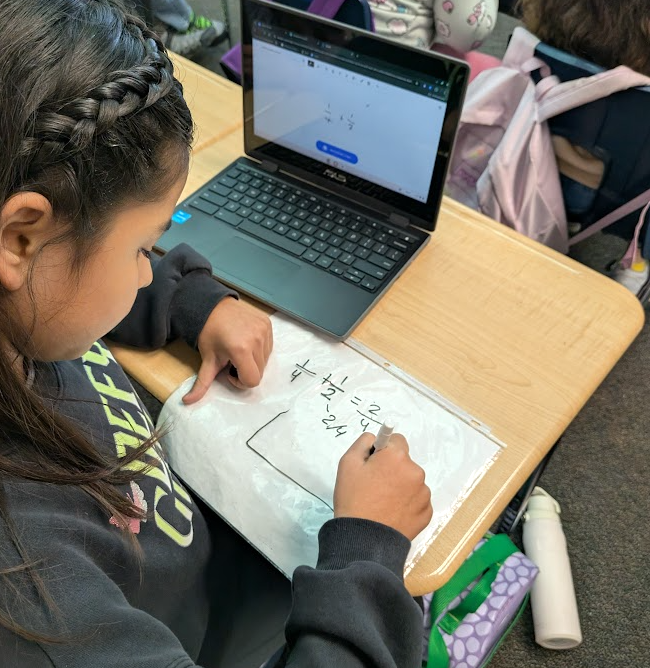
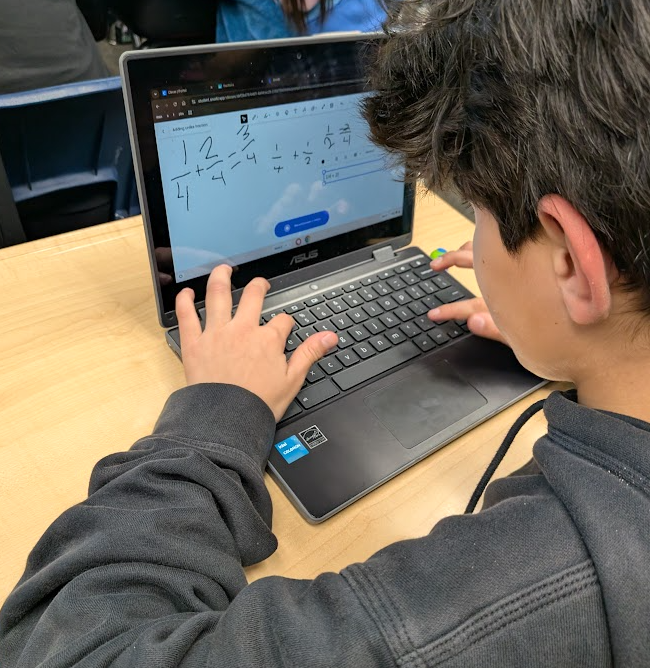
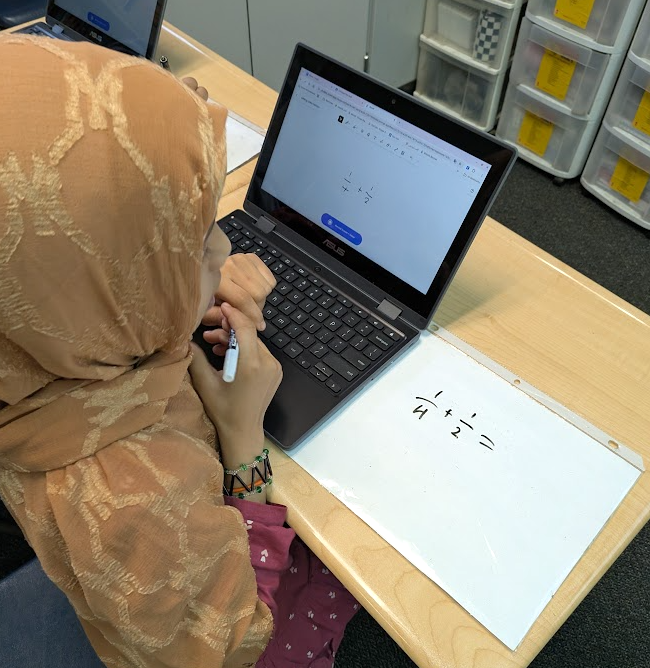
This flexible approach ensures that learning is not a one-size-fits-all experience. Whether a student is a strong verbal communicator, a visual thinker, or prefers to articulate ideas through writing, Snorkl captured rich “visible thinking”. This visibility allows teachers to better notice and respond to variability in how students reason, which is a goal of UDL.
The Impact of Timely Feedback and Peer Coaching
The structure of the assignment was designed for growth. Students pursued a perfect score of 4/4, and after each attempt, Snorkl provided immediate feedback tailored to help them improve their next submission. The Snorkl feedback fueled teacher to student conversation and personalized teaching. When the students called their teacher over for help, the student knew what questions to ask. This cycle of attempt, feedback, and refinement is highly impactful.
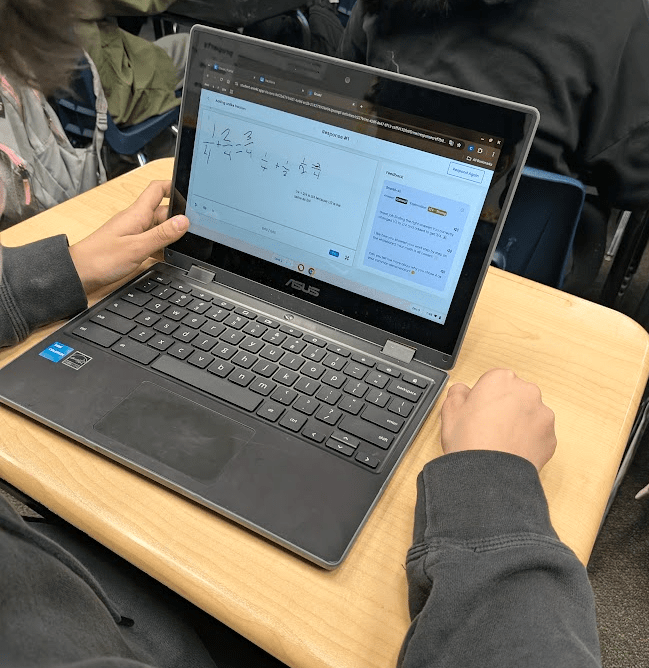
In educational research terms, the ability to provide immediate, timely feedback is a high-yield strategy, demonstrated by John Hattie’s research to have an effect size of around 0.70. Similarly, the features that encourage visible thinking and multiple representations also show a significant effect size, at least 0.60. Both of these values sit well above the 0.40 threshold, placing them firmly within Hattie’s Zone of Desired Effects. The strategic use of Snorkl didn’t just digitize a worksheet. It implemented practices proven to accelerate learning.
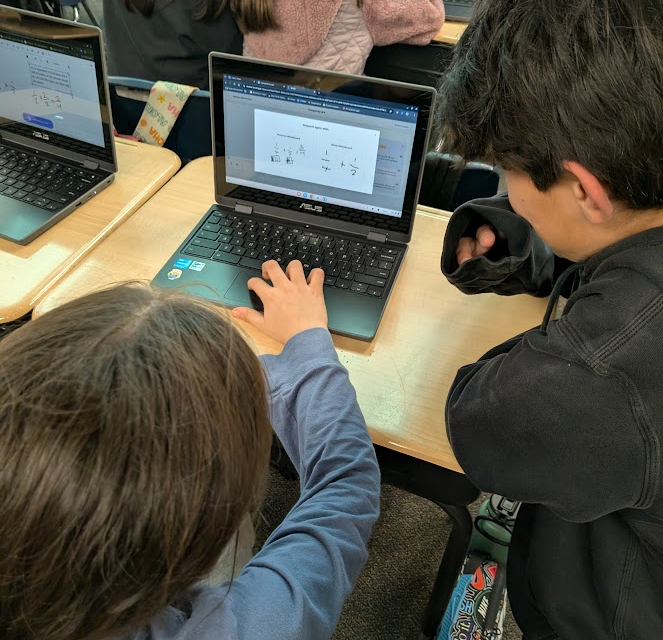
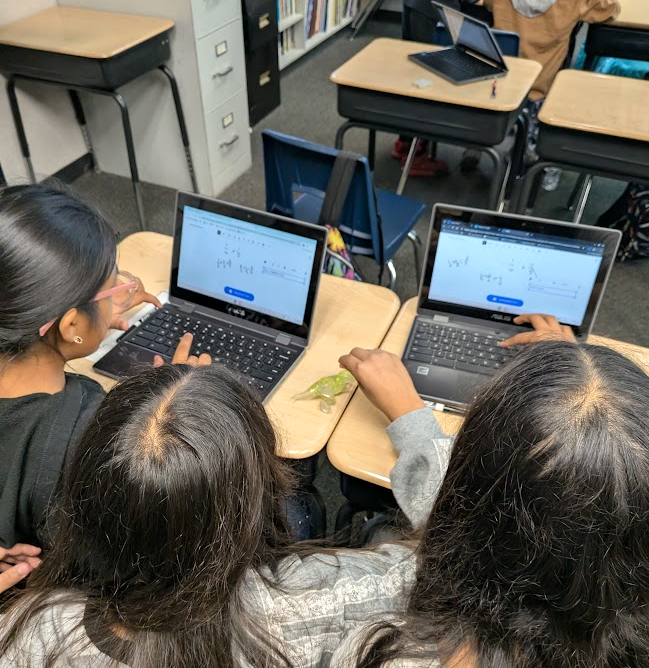
Furthermore, students who achieved the 4/4 goal were deputized as peer coaches. This simple yet powerful move transformed mastery into leadership, embedding a culture of peer-to-peer support and reinforcing the initial learning for both the coach and the ¨coachee¨.
Practical Takeaways for Your Classroom
This 5th-grade example is a template for integrating EdTech strategically:
- Prioritize Process Over Product: Always ask students to explain their why and how, not just their final answer.
- Offer Choice (UDL): Look for tools that allow students to express learning through multiple methods such as voice, drawing, or typing.
- Harness Immediate Feedback: Utilize technology that provides personalized, corrective feedback to guide students in the moment, not days later.
By focusing on tools that make thinking visible and provide rapid, actionable feedback, educators at any level can create high-impact learning experiences that are both supportive and professionally rigorous.
This blog post was drafted with the help of Google Gemini to help organize and flesh out my thoughts and ideas regarding the use of Snorkl in a math lesson and how using this tool can align instruction to UDL principles and educational research. I also used NotebookLM to generate a brief audio overview, perfect for those who want to listen and learn on the go.
If you enjoy this blog, you’ll love our new book, History Matters in an AI Era. Available now on Amazon, this book shares practical, research-based strategies for integrating technology into history lessons. You’ll learn how to use technology to increase student engagement and curiosity. Click here to get your copy today.

Leave a comment