

- Students learned about packets, routers, and receivers through a Gold Rush-themed activity.
- Groups created, delivered, and decoded messages using school maps and Internet protocols.
- The lesson boosted engagement and connected history with computer science.
What do the California Gold Rush and computer science have in common? In Mrs. Garges’ 4th grade class, quite a lot! Using a creative lesson from the Cal-MSCS Cross Content Connections website, students explored key computer science ideas (packets, routers, and receivers) through a hands-on history activity. The result was a high energy activity, deep learning, and plenty of collaboration.
The lesson began with a quick intro to how digital messages travel. Students learned that packets are small parts of a message, routers help move them along, and receivers piece them back together. Then it was time to connect those concepts to the past. Working in groups of five, students reflected on what they’d learned about the Gold Rush and wrote a message describing an ideal spot to pan for gold. Their messages had to mention two geographic features and include a secret clue to signal gold was nearby. Here´s an example: “Near the large dead tree where the creek forks, the river bottom shines in the sun.”
Once written, each message was cut into five pieces, like data packets. Every group took turns in three roles: packets, routers, and receivers. One group wrote the message and cut it up. Another group, the routers, used a school map to follow specific routes and deliver each packet to a receiver group waiting in the courtyard. The receiver team then worked together to reconstruct the original message. Once they believed they had it right, the original group verified it. This process repeated so every group played each role.
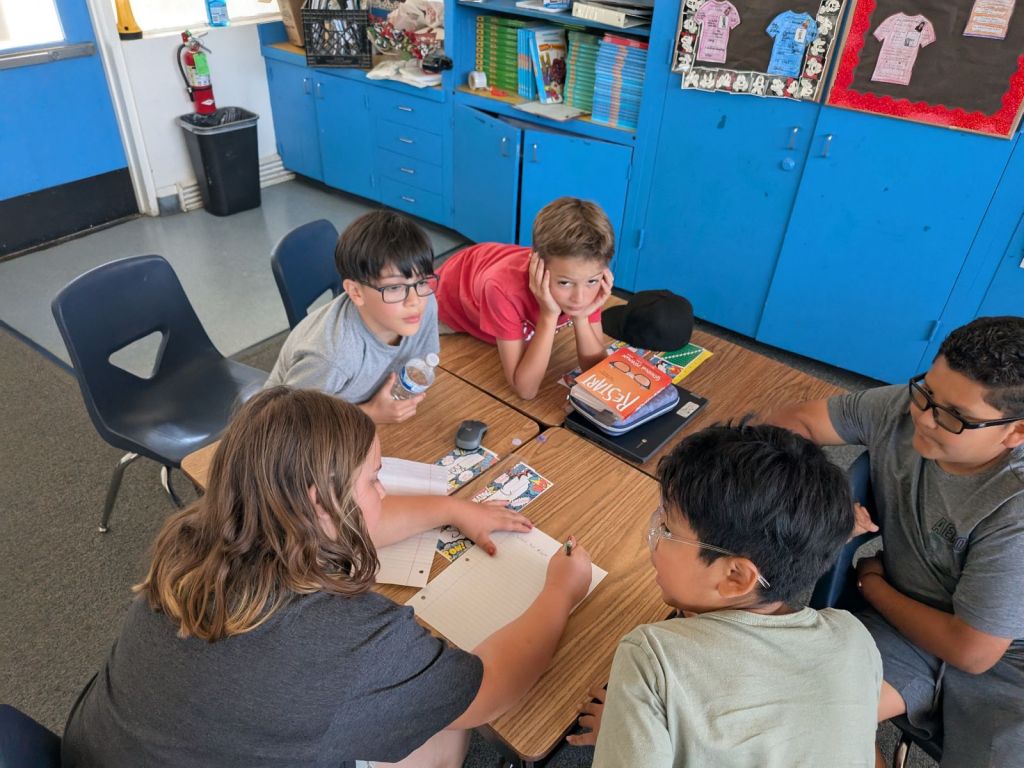
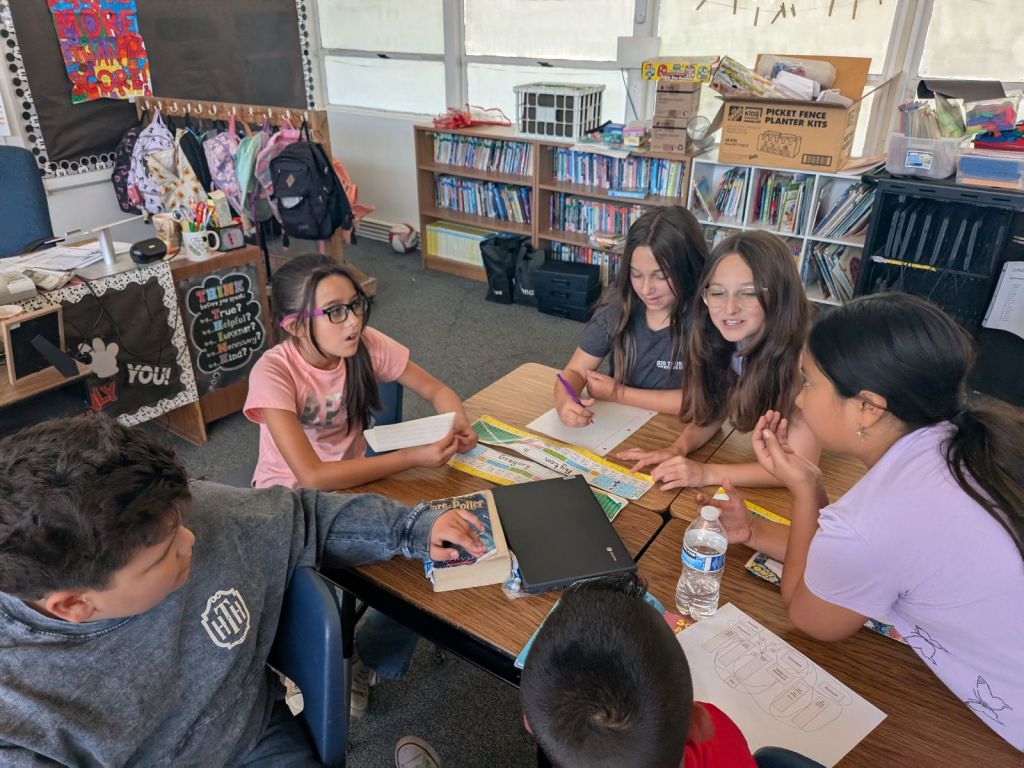
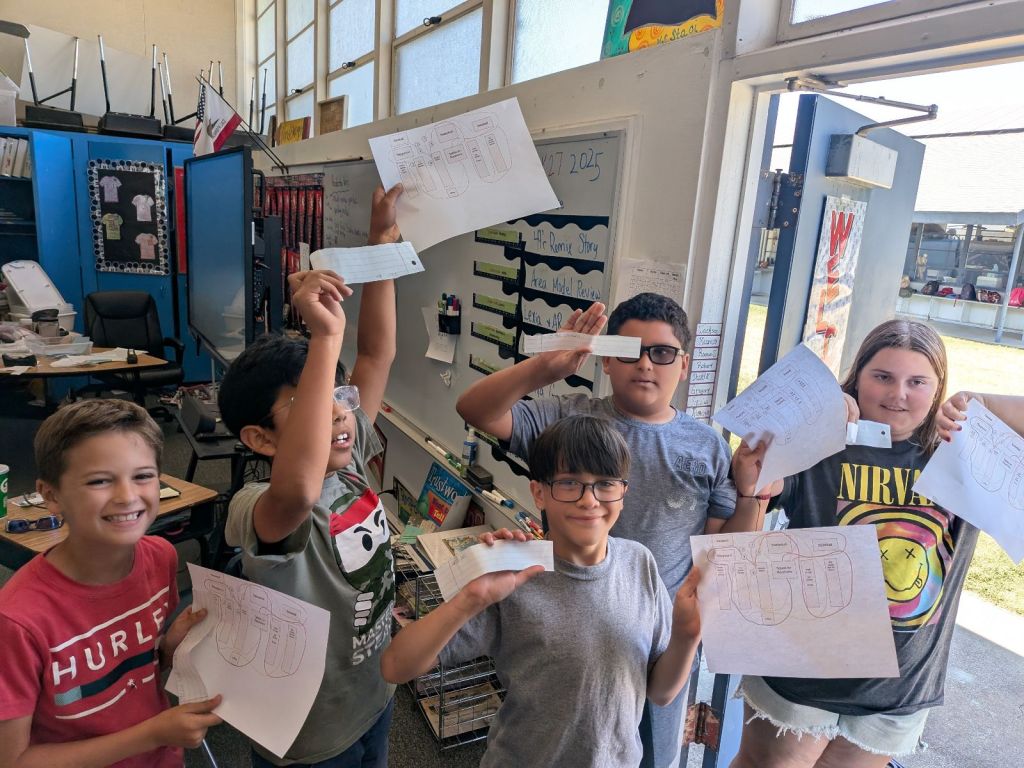

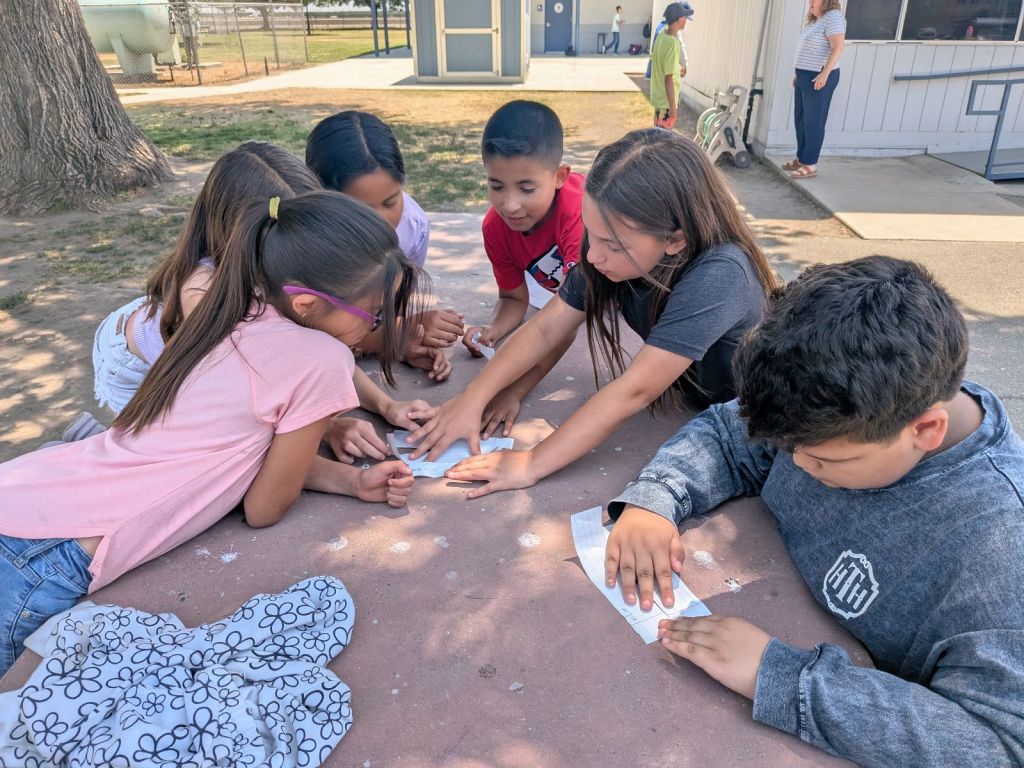
Students were fully engaged from start to finish. They moved with purpose, collaborated constantly, and used problem-solving and critical thinking in a real-world context. Beyond reinforcing CS concepts, the activity deepened their understanding of history, geography, and communication. They weren’t just learning how networks work, they were living it.
This lesson shows just how powerful cross-curricular teaching can be. Students connected 19th-century history with 21st-century tech, making both more meaningful. The experience was fun, memorable, and packed with learning.
Looking to spark similar excitement in your own classroom? This activity is easy to set up, highly engaging, and adaptable. Visit the Cal-MSCS Cross Content Connections website to find more lessons that bridge computer science with core subjects in creative ways. Who knew the Gold Rush could be a gateway to understanding digital networks? In Mrs. Garges’ class, it absolutely was.
This blog post was drafted with the help of Google Gemini to help organize and flesh out my thoughts and ideas regarding this integrated CS lesson from the Cal-MSCS Cross Content Connections website. I also used NotebookLM to generate a deep dive audio overview, perfect for those who want to listen and learn on the go.

Leave a reply to Why History Matters More Than Ever in the Age of AI – Katherine Goyette Cancel reply