

- Snorkl moved grammar practice (comma usage) beyond simple identification, requiring students to explain their reasoning for deeper conceptual understanding.
- The tool fostered student resilience and peer coaching, elevating basic worksheet content into a highly engaging, collaborative quest for mastery.
- Teachers can adapt existing ELA content for Snorkl to gain better data and interaction than traditional worksheets provide.
The goal of technology integration in the classroom is not simply to replace old tools but to deepen student learning and engagement. When it comes to ELA grammar skills, like proper comma usage, teachers often rely on traditional worksheets. But what if a tool could take those practice questions and elevate them from a simple identification task to a robust exercise in critical thinking and explanation?
This is where a tool like Snorkl shines, transforming routine grammar reinforcement into a powerful learning experience. Recently, I co-taught a grammar lesson with a 5th grade teacher where we used a Snorkl activity focused on correct comma placement, and the results were a perfect demonstration of technology fostering, not replacing, student thinking.
From Right Answer to Right Reasoning
Snorkl’s structure encouraged this deeper engagement. It moved students beyond the simple task of identifying a correct answer to more deeply explaining their reasoning, thereby better demonstrating their understanding of the grammatical concept. This shifted an activity often found at a DOK Level 1 to a whole new level of thinking and engagement.
Fostering Peer Coaching and Resilience
The pursuit of mastery in this task highlighted the students’ resilience. Not a single student gave up, even when the allotted time to move on arrived, they genuinely wanted the activity to continue.


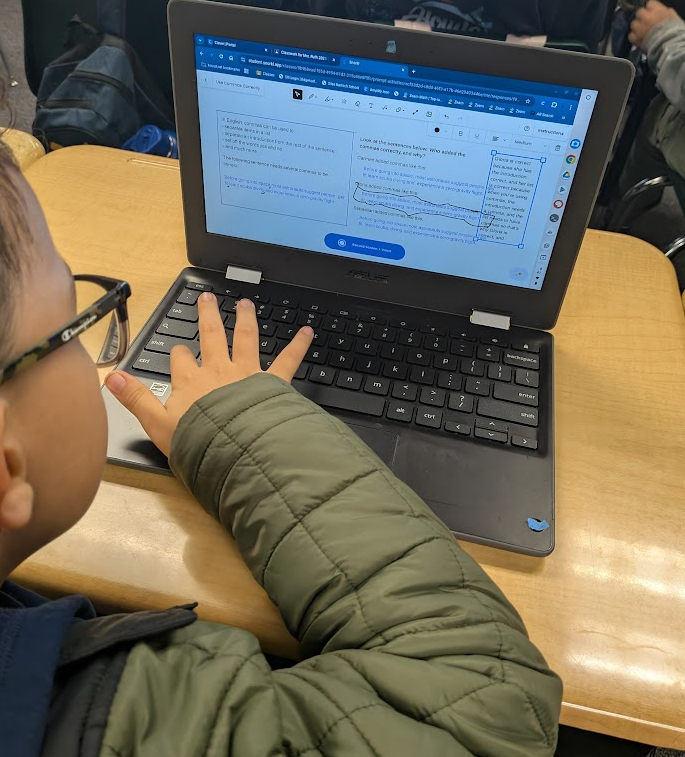
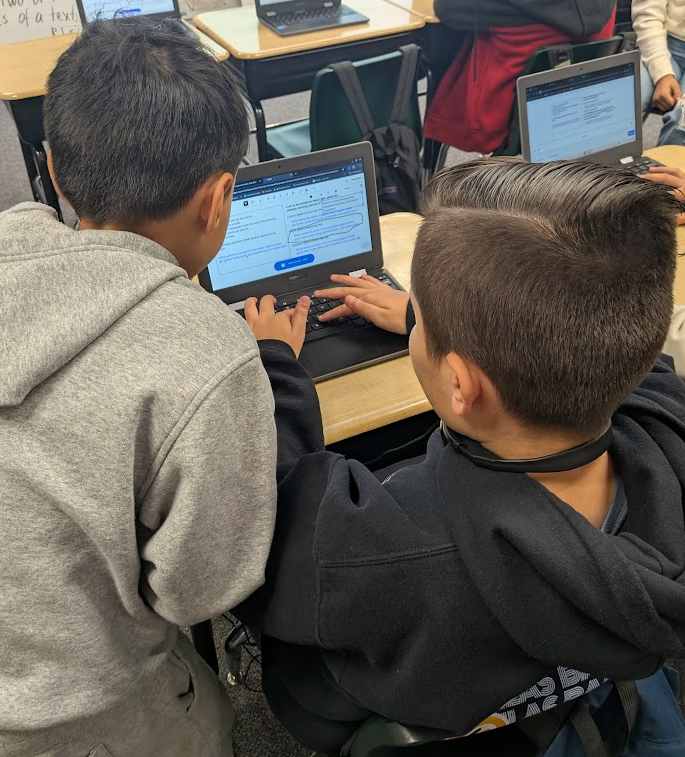
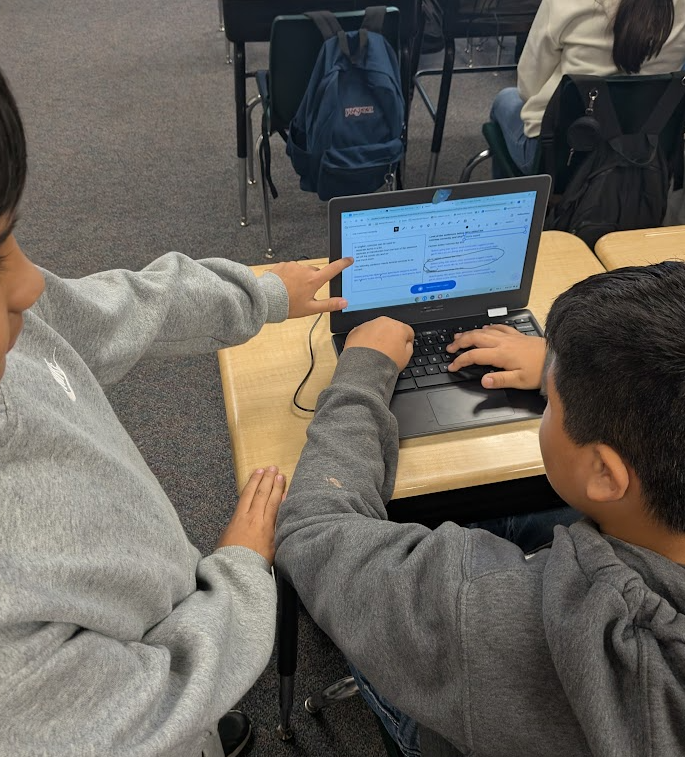
We saw incredible examples of student agency and collaboration. Students who achieved a perfect score of 4/4 were immediately deputized to coach their classmates who had not yet reached that level of mastery. These peer-to-peer discussions were highly productive, as students engaged in multiple attempts, talking through the nuances of comma rules with both their peers and the teacher. This cycle of feedback, revision, and conversation is precisely the kind of engagement that makes learning stick.
Practical Adaptations for ELA Teachers
For ELA teachers looking to reinforce grammar skills like comma placement, Snorkl offers a practical alternative to traditional methods. You do not need to discard your existing resources. Instead, you can cherry-pick a few effective sample sentences from your current worksheets and adapt them into a Snorkl activity. This approach retains the valuable content you already have while adding layers of productivity, interaction, and data that a simple worksheet simply cannot provide.
Technology like Snorkl does not replace your expertise. It empowers you to push students past surface-level identification toward a deep, explained understanding of complex concepts. The result is students who are not only correct but who truly understand why they are correct.
This blog post was drafted with the help of Google Gemini to help organize and flesh out my thoughts and ideas regarding the use of Snorkl in an ELA lesson on comma placement. I also used NotebookLM to generate a brief audio overview, perfect for those who want to listen and learn on the go.
If you enjoy this blog, you’ll love our new book, History Matters in an AI Era. Available now on Amazon, this book shares practical, research-based strategies for integrating technology into history lessons. You’ll learn how to use technology to increase student engagement and curiosity. Click here to get your copy today.

Leave a comment