
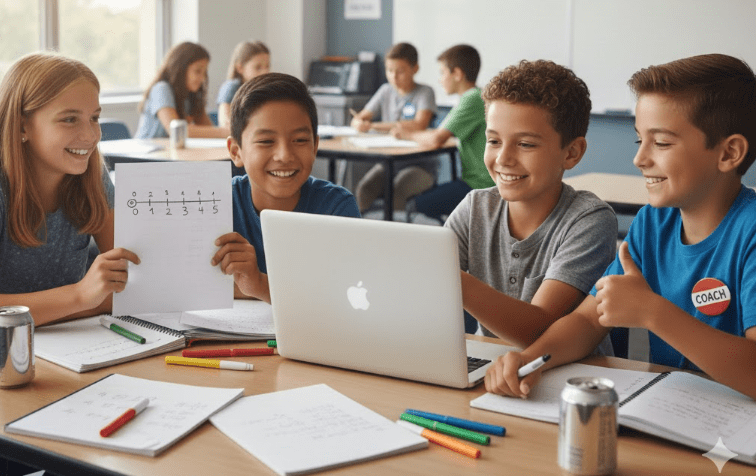
- Snorkl delivers immediate feedback in middle school math, improving students’ ability to solve problems and ask better questions.
- The tool boosts student motivation and collaboration, leading to peer coaching and evident pride upon mastering concepts.
- It supports conceptual mastery by encouraging persistent iteration and focused practice on difficult topics.
Integrating new technology into your classroom should always aim to amplify student learning and agency. In middle school math, the tool Snorkl is proving to be a highly effective way to do just that, creating engaging practice opportunities and fostering deeper student understanding across different grade levels.
In an eighth-grade math class, students recently used Snorkl for the first time while practicing how to solve a rational equation. The process was intentionally designed to blend traditional methods with new technology. Students first worked out the mathematics on paper before entering their answers into Snorkl using various input methods like drawing, typing, or speaking. The immediate feedback provided by the platform proved to be highly motivating. Students acted on this feedback very quickly, which fueled their subsequent attempts and responses.
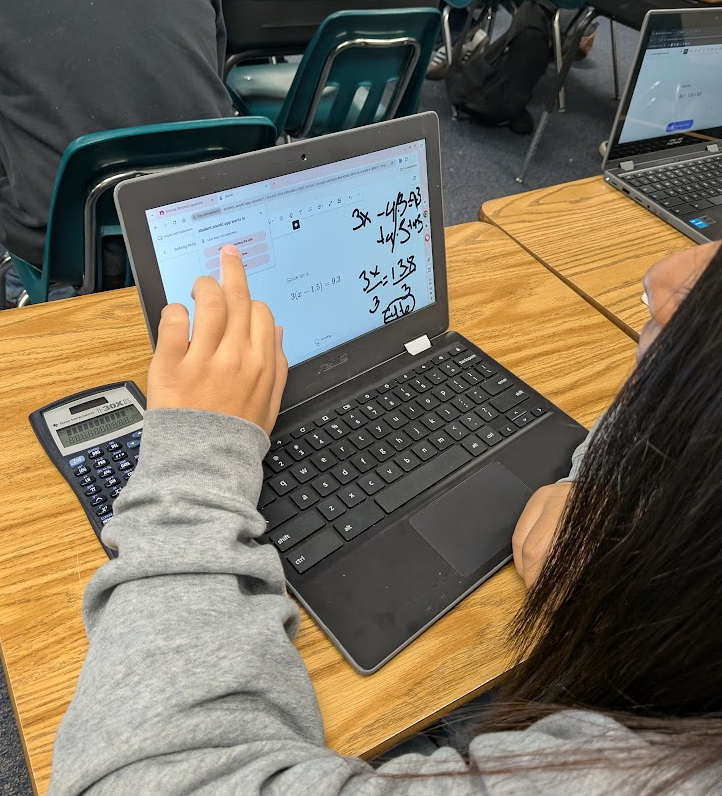
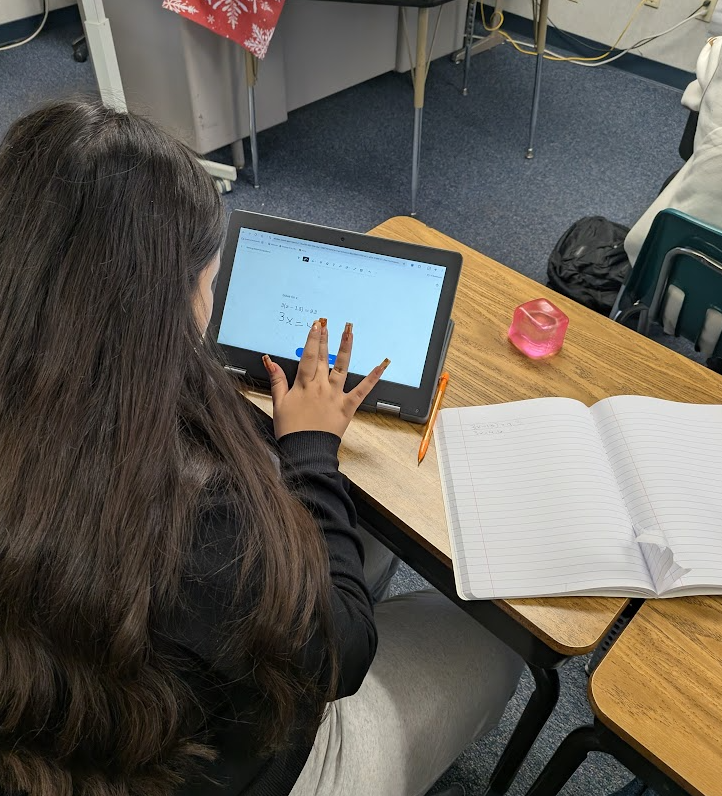
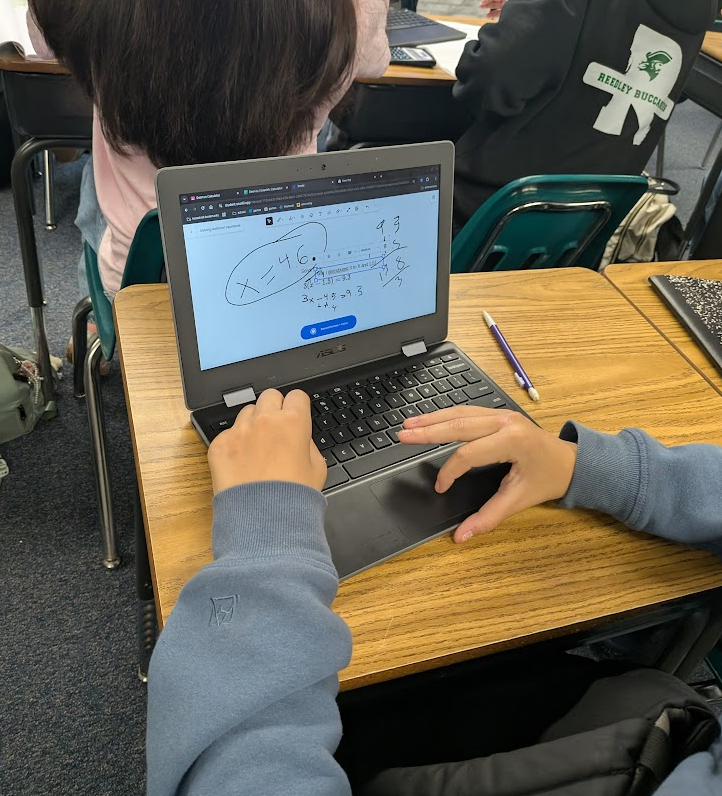
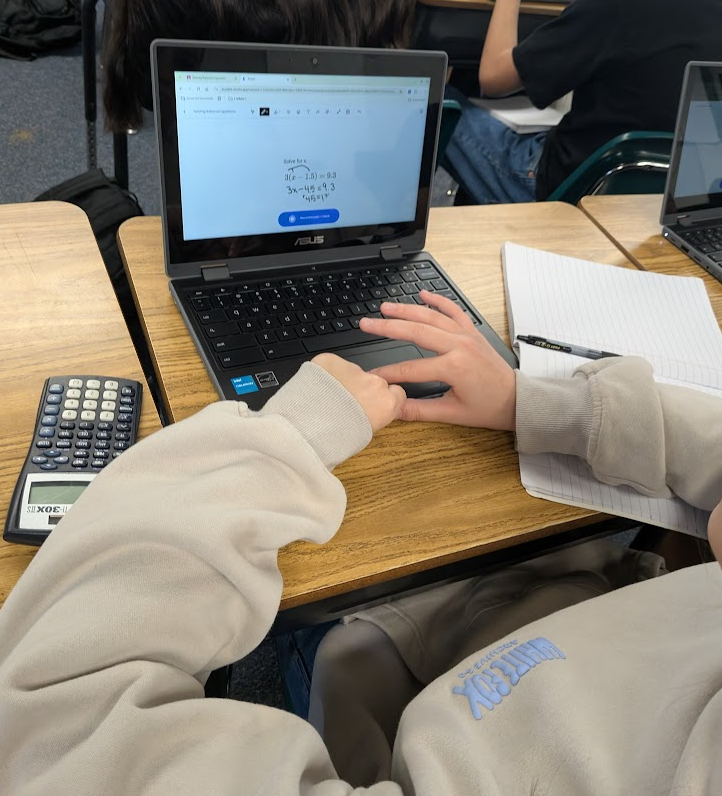
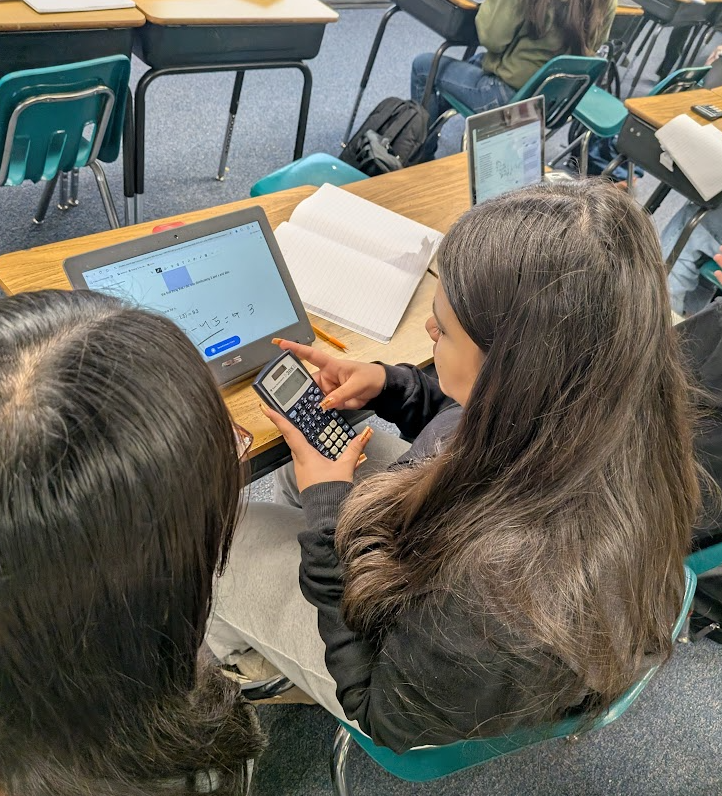
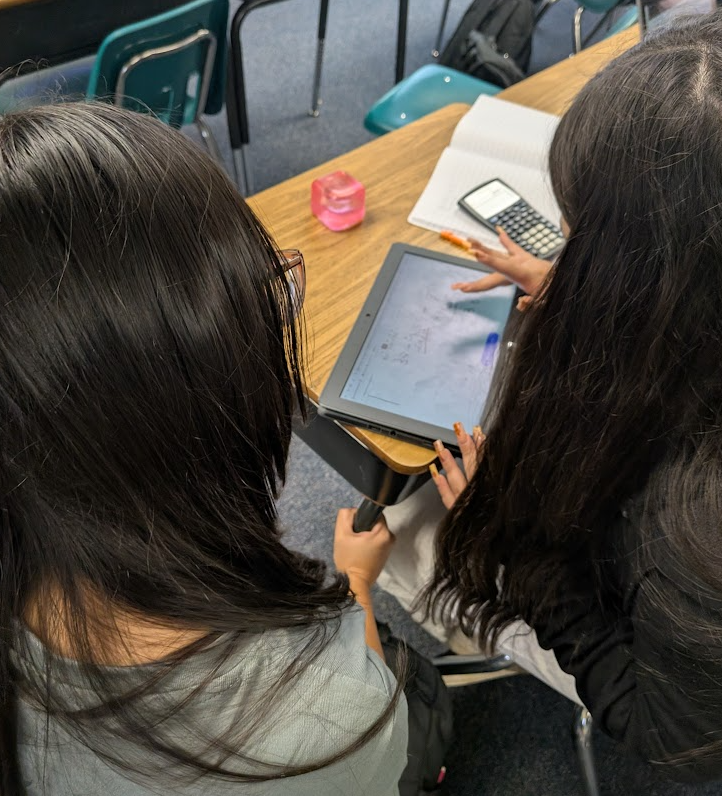
This immediate feedback loop transformed how students engaged with their teacher. When a student needed help, they knew exactly what to ask, having already identified where they were struggling based on Snorkl’s guidance. Furthermore, the technology spurred organic, productive conversations among students as they naturally began helping each other interpret and understand the feedback. The majority of the class achieved a score of 3 or 4 after only two or three attempts, leading to a visible sense of pride, particularly for those who earned a perfect score of 4. A powerful moment of peer leadership occurred when students who achieved the 4 were deputized to coach their classmates who were still working toward that score.
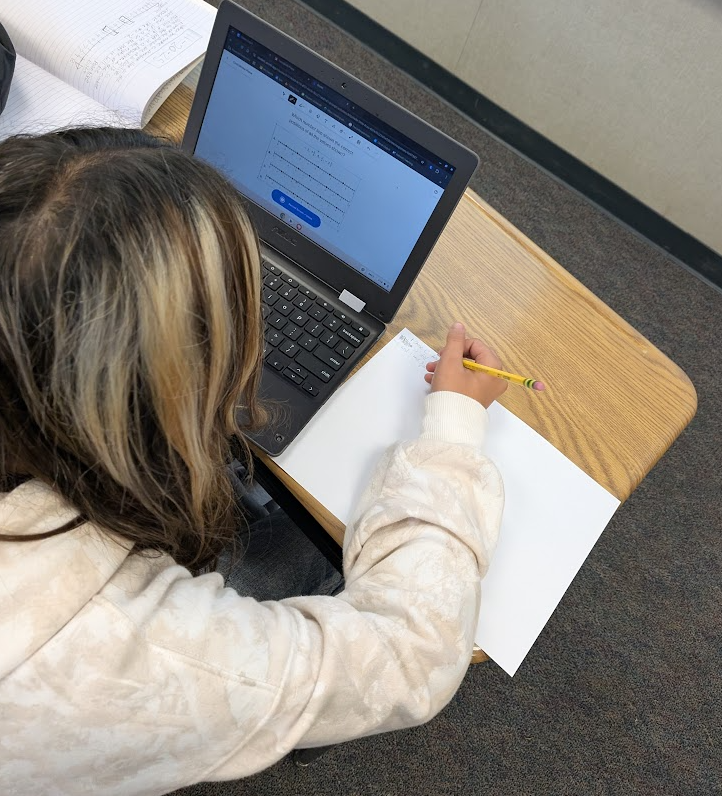
The platform proved equally beneficial for conceptual development in a sixth-grade setting. Here, students were tackling a pair of problems involving number lines and coordinate planes, concepts they had struggled with on a recent assessment. The assignment required them to explain their mathematical reasoning meticulously, going beyond simply identifying the correct answer.
While most students did not earn a perfect score of 4/4 immediately, their commitment to the task was inspiring. They kept trying and iterating based on the feedback. These persistent iterations were key. They provided the necessary repetitions for students to better grasp a difficult concept. Critically, these attempts also helped to focus and guide conversations with the teacher for targeted clarification.
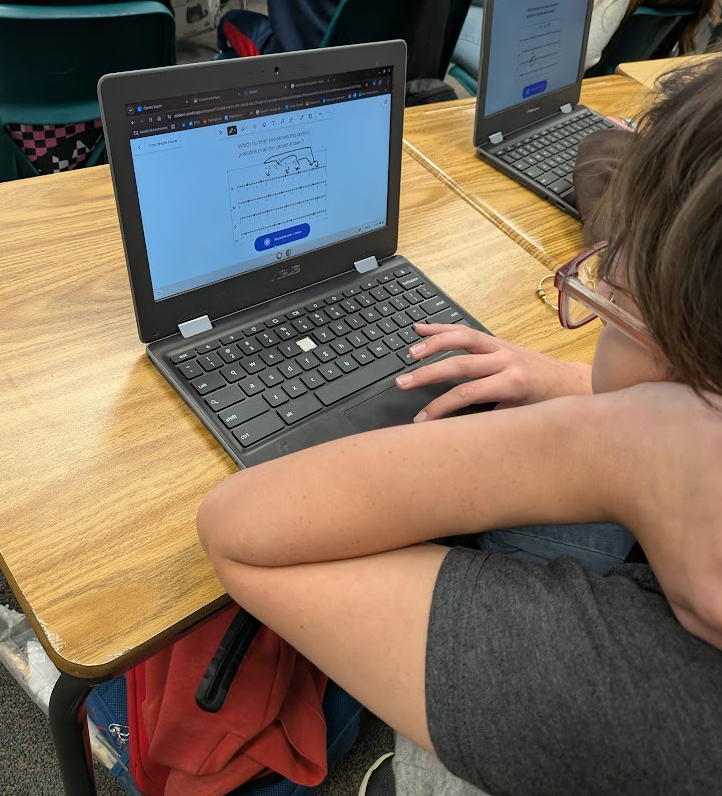
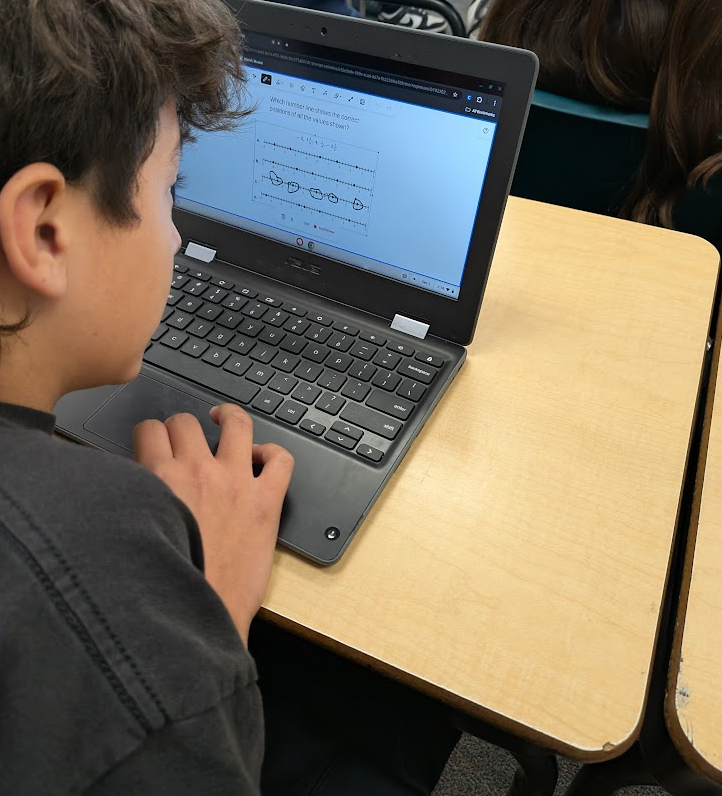
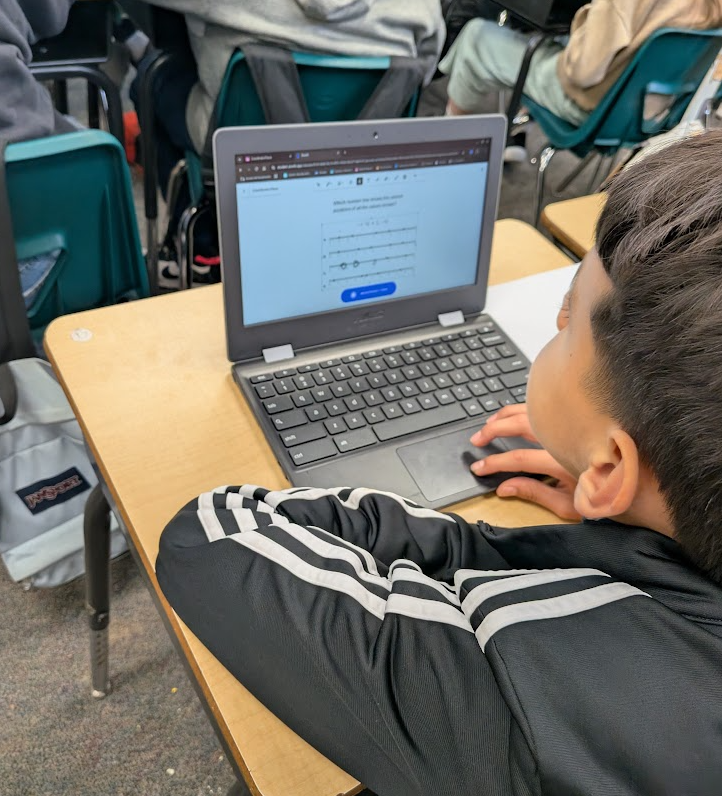
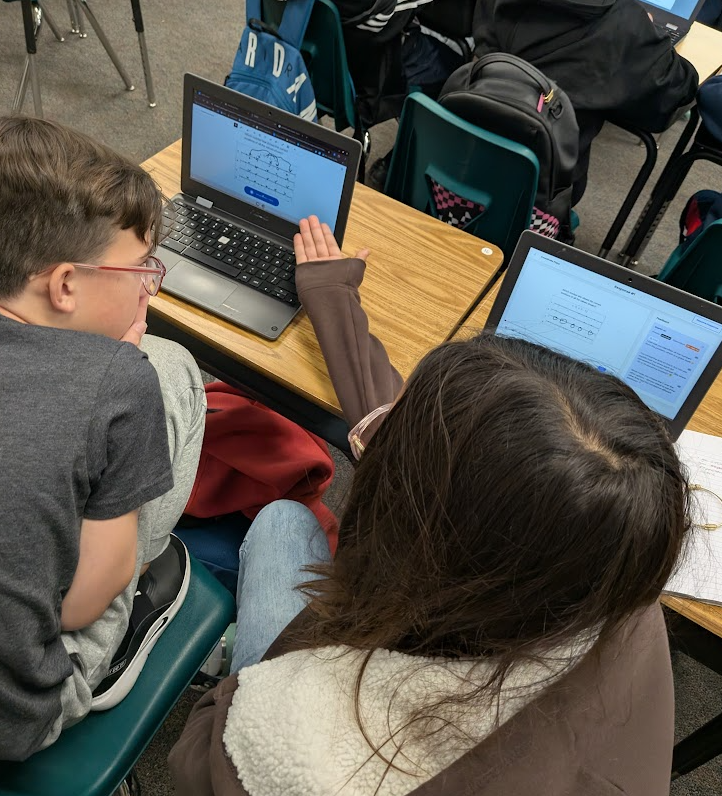
The impact of this technology on student motivation is clear. Running into students after school who were excited to “brag” about achieving a 4/4 score with Snorkl earlier that day highlights how meaningful and motivating focused practice and achievement can be. Snorkl, by providing quick, actionable feedback and encouraging repeated attempts, helps students move from simply completing work to genuinely mastering concepts, building both skill and confidence along the way.
This blog post was drafted with the help of Google Gemini to help organize and flesh out my thoughts and ideas regarding the use of Snorkl to provide timely student feedback for math instruction in sixth and eighth grade. I also used NotebookLM to generate a brief audio overview, perfect for those who want to listen and learn on the go.
If you enjoy this blog, you’ll love our new book, History Matters in an AI Era. Available now on Amazon, this book shares practical, research-based strategies for integrating technology into history lessons. You’ll learn how to use technology to increase student engagement and curiosity. Click here to get your copy today.

Leave a comment