
- Bridging CS and core subjects with AI.
- Micro:bit integration made easy for teachers.
- Personal journey from history to EdTech innovation.
As a tech coach, my journey into the world of computer science has been driven by a deep fascination rather than formal training. My background is actually in history, and I’ve never written a line of code in any language. However, my passion for integrating computer science concepts into core subjects is immense. Today marked my very first time experimenting with Micro:bits, and I was immediately captivated by the possibilities. This experience inspired me to design a custom GPT (AI chatbot) within ChatGPT, aiming to empower myself and other educators to harness the power of computer science, particularly Micro:bits, to enhance teaching and learning across all subject matters.
As educators, we are constantly seeking innovative ways to engage students and deepen their understanding of core subjects. Technology offers a powerful avenue for this, and the Micro:bit, a pocket-sized computer, is proving to be a remarkably versatile tool for bringing computer science concepts into everyday lessons. Imagine having a dedicated assistant to help you bridge that gap.
The custom GPT I created is specifically designed to support teachers in integrating Micro:bits into standards-aligned lessons across Math, English Language Arts, Science, and Social Studies. This tool is trained on California and Common Core Standards, making it relevant and practical for educators.
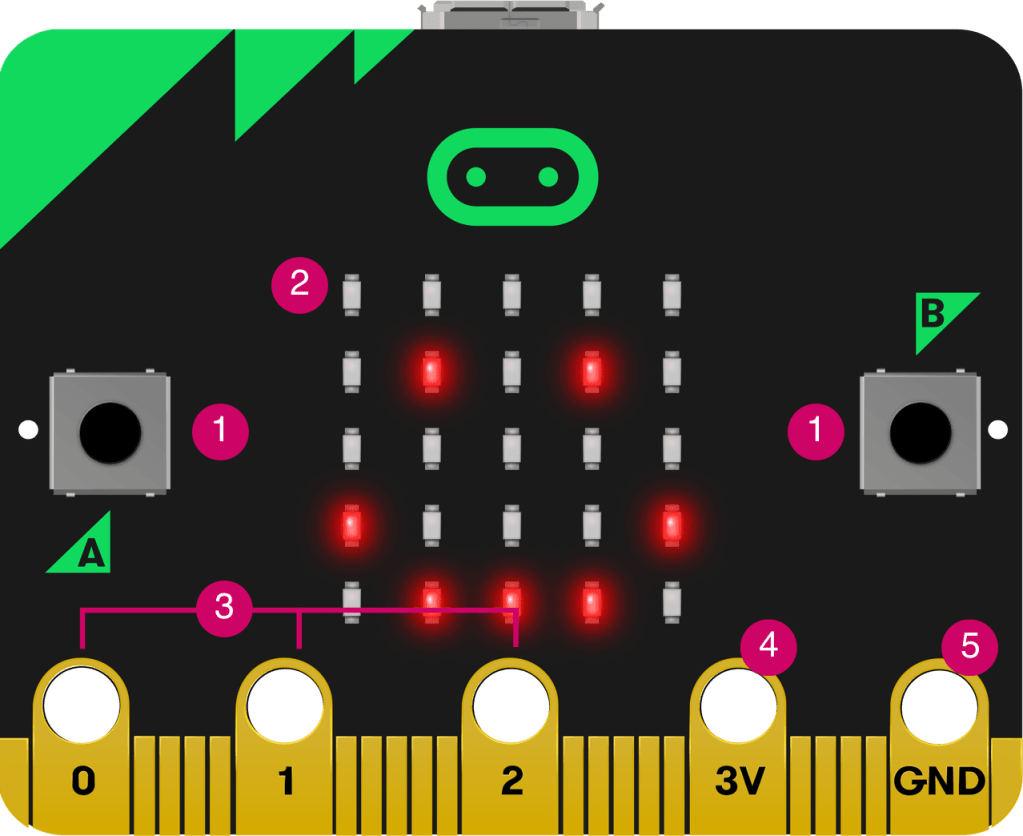
The process is straightforward and user-friendly. To begin, you simply tell the bot what subject you are teaching, followed by the grade level. Then, you specify the topic or standard you wish to address and the desired duration of the lesson in days and minutes per day. With this information, the bot generates a lesson plan idea, complete with objectives, a list of materials, key vocabulary, detailed step-by-step instructions, and even assessment suggestions.
Consider a recent example: a sixth-grade history teacher wanted to develop a lesson integrating Micro:bits with the topic of the Great Wall of China. In a matter of seconds, the GPT generated a compelling lesson where students would use Micro:bits to simulate long-distance communication, similar to ancient smoke signals. The concept involved students programming Micro:bits to display messages like “Alert!” which, in a classroom scenario, could represent soldiers warning others along the wall of approaching danger.
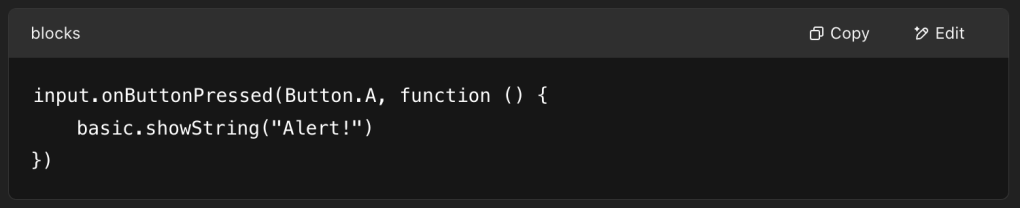
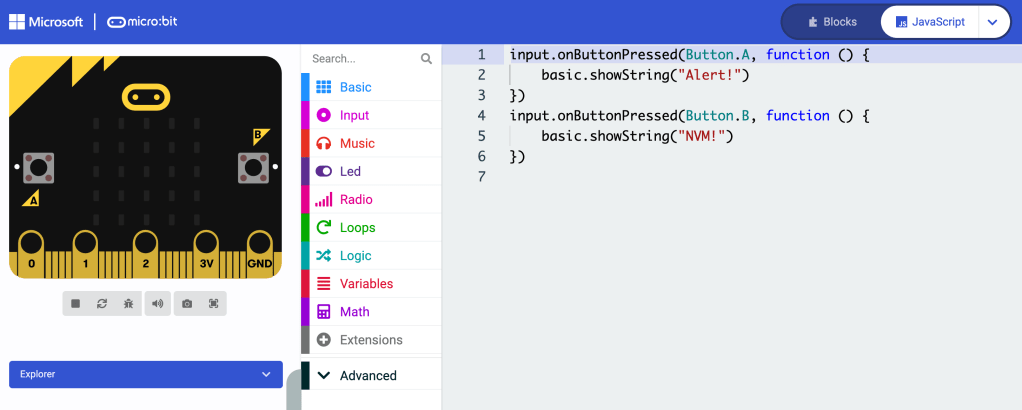
The lesson plan even included simple, accessible code that students could enter into Microsoft MakeCode, a free platform compatible with Chromebooks. This ease of use ensures that the focus remains on the historical context and the application of computer science principles, rather than complex programming. Click here to view a copy of the lesson plan generated by the custom GPT.
This initial exploration of the custom GPT highlights its potential as a valuable resource for educators. It offers a practical solution for those looking to infuse their core subject teaching with engaging Micro:bit activities and introduce fundamental computer science concepts in a meaningful way. Such tools empower teachers to create dynamic learning experiences that resonate with students and prepare them for an increasingly technological world. If you would like to try this custom GPT, click here.
This blog post was drafted with the help of Google Gemini to help organize and flesh out my thoughts and ideas regarding the creation of custom GPT’s in ChatGPT and integration of Micro:bit into standards-aligned lessons across content areas. I also used NotebookLM to generate a deep dive audio overview, perfect for those who want to listen and learn on the go.

Leave a comment