
- Fourth graders wrote game algorithms to improve writing clarity.
- Students tested each other’s instructions through Super Mario gameplay.
- A classic video game became a fun tool for integrated ELA and CS learning.
Getting technology into the classroom can open up amazing learning possibilities, and sometimes the coolest lessons come from places you might not expect. I recently had the pleasure of collaborating with Mrs. Garges, a fourth-grade teacher, on a project that showed just how powerful a classic video game can be for teaching computer science ideas and boosting writing skills. This particular lesson idea was actually remixed from a fantastic resource found on the Cal-MSCS Cross Content Connections website, proving that great ideas often spark even more great ideas.
Our collaboration kicked off a week ago with Super Mario Brothers. Students were challenged to write an algorithm, which is basically a step-by-step instruction manual, on how to beat the level 1-1. To get started, they worked together to break down a YouTube video of the gameplay. They carefully watched every jump, every power-up, and every enemy (Goombas and Koopa Troopas), jotting down the exact steps on their whiteboards. This first part really got them observing closely and figuring out how to break down a big task into smaller, manageable instructions.
The real magic happened when we moved to the extension activity. Teams of three students swapped their carefully written algorithms. The goal? To use a Nintendo Switch and try to beat level 1-1 by only following another group’s instructions. This hands-on part quickly showed everyone how important clear and exact writing really is. Students found gaps in the instructions, confusing words, and missing details that only became clear when they tried to follow the steps themselves. This instant feedback, felt through the fun and sometimes frustration of playing the game, was incredibly valuable.
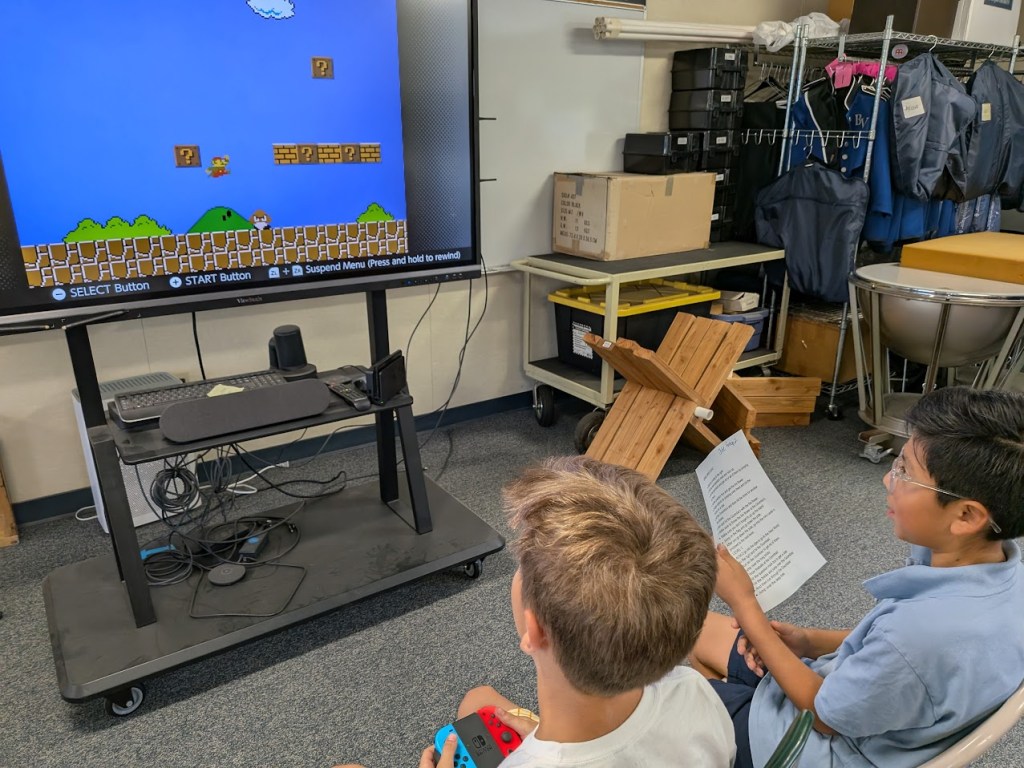
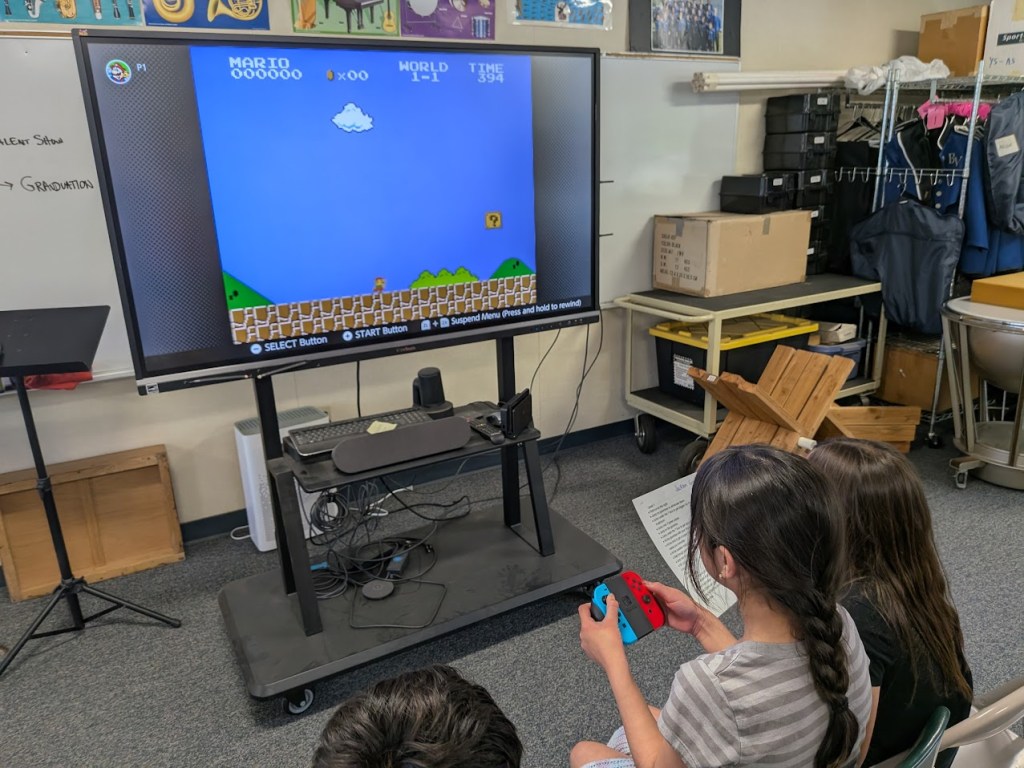
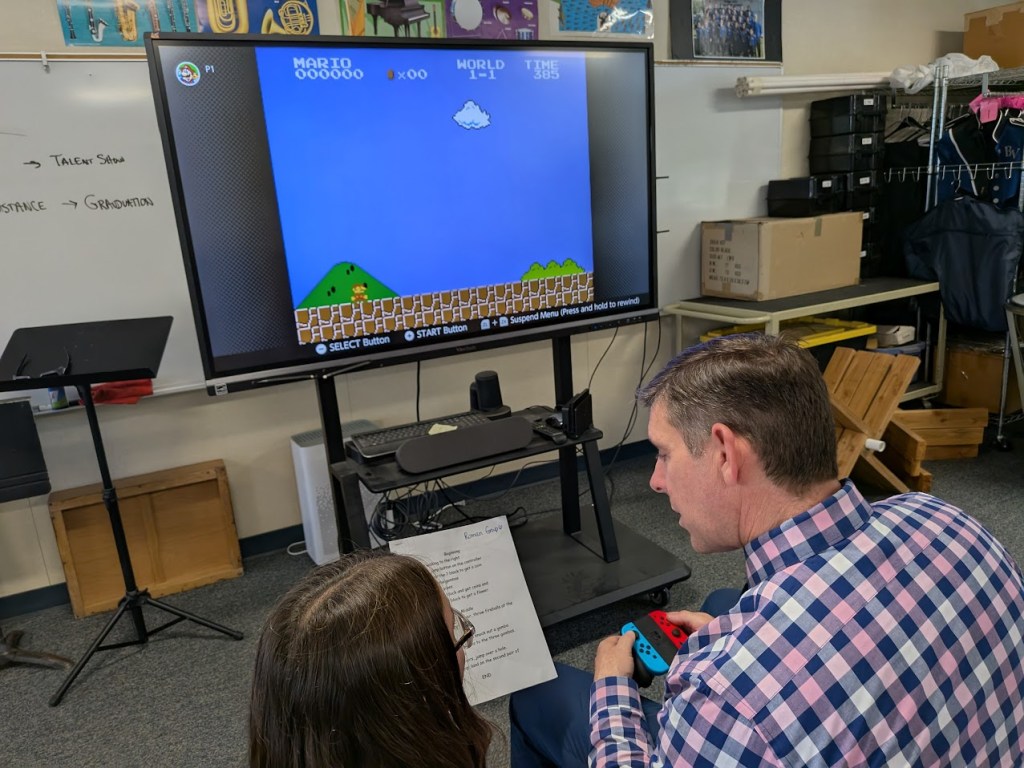
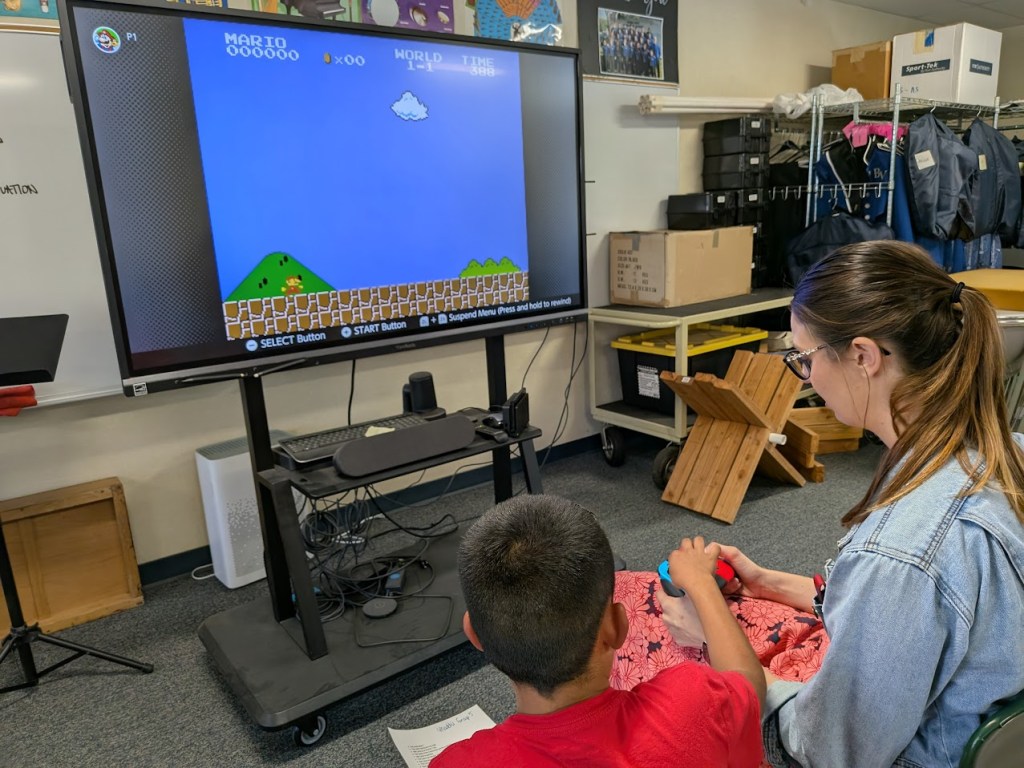
After testing each other’s algorithms, students got to play the game freely. This let them discover little tricks and strategies that might not have been obvious just from watching a video. As a team, they then went back and improved their original algorithms, adding these new discoveries and making their instructions even clearer. This cycle of creating, testing, and refining is a lot like how real-world problems are solved and how effective communication develops.
This lesson was a great reminder that learning can be both rigorous and a ton of fun. By connecting the world of gaming with important ELA and computer science standards, Mrs. Garges and her students really got to experience why clear, straightforward instructions matter so much. It’s a fantastic example of how simple technology, even a classic video game, can be a great way to spark deeper learning and build practical skills in the classroom.
This blog post was drafted with the help of Google Gemini to help organize and flesh out my thoughts and ideas regarding the execution of this integrated CS lesson. I also used NotebookLM to generate a deep dive audio overview—perfect for those who want to listen and learn on the go.

Leave a comment